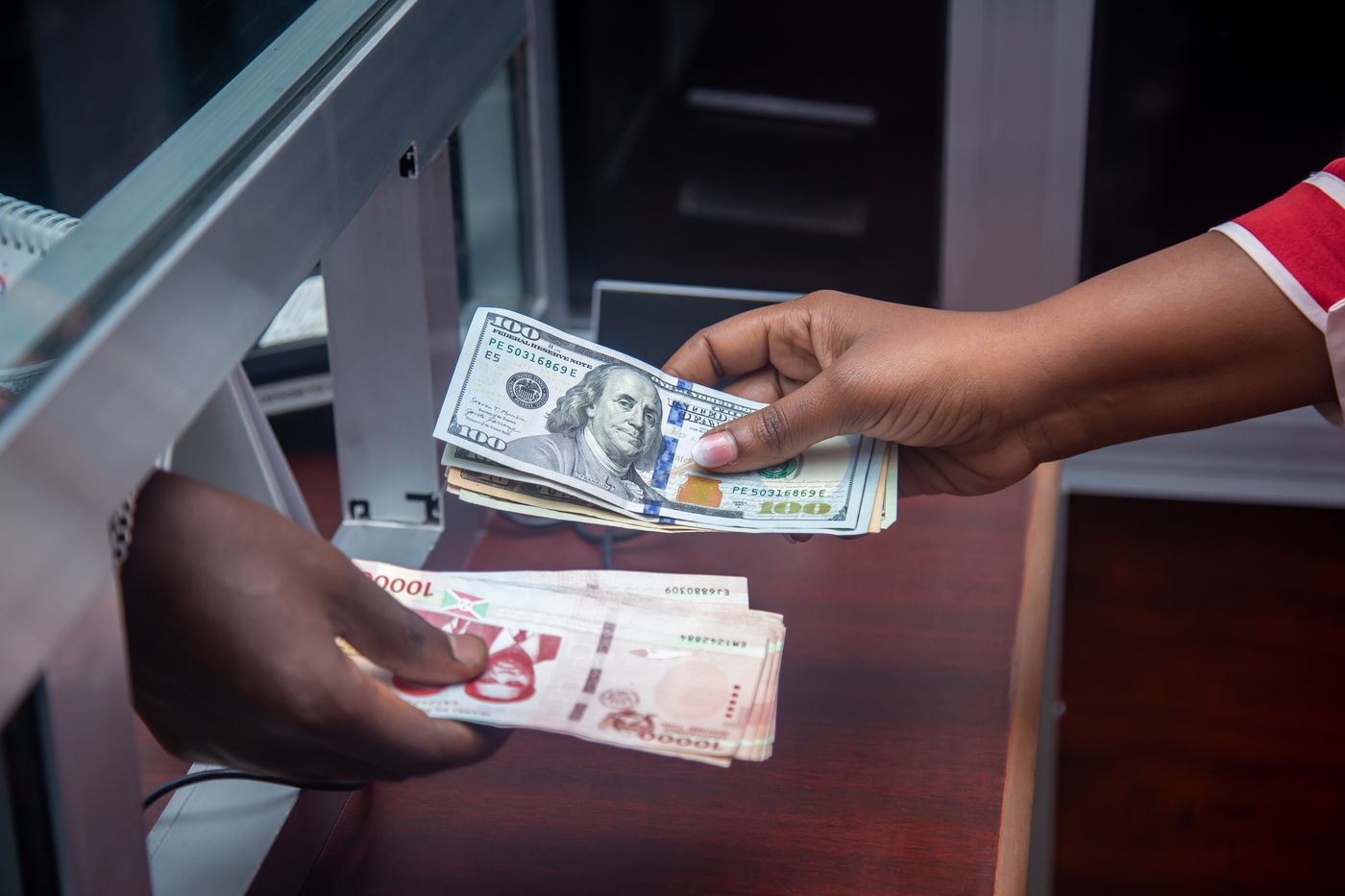
For most of the last year this series has examined, one layer at a time, how value leaves African tourism. It leaves through the online booking, where a foreign platform takes its commission and keeps the guest. It leaves through the hotel, where a management contract hands control and fees to a foreign brand while a local owner carries the risk. It leaves through the carbon, priced far below its worth once it crosses a border, and through the tax holiday the state gives away to attract an investor who was mostly coming anyway, and now through the intelligence layer, where foreign models increasingly shape which operators a traveller ever sees. Each of those was examined as a separate mechanism. This issue steps back to ask what sits underneath all of them, because there is a single pressure that helps explain why African states so often build their tourism in the leaky, extractive shape the earlier issues described, and that pressure is debt.
The numbers that frame it are stark and current. External debt service for Sub-Saharan Africa reached roughly a hundred billion dollars in 2025 and is projected at a similar level in 2026, the heaviest service window on record, and twenty-one countries across the region are in active programmes with the International Monetary Fund. The debt is overwhelmingly denominated in foreign currency, mostly dollars, which means a government cannot simply print what it owes. It has to earn the dollars, or borrow more of them, or default. In Kenya, the arithmetic has become severe enough that close to sixty percent of tax revenue is directed toward servicing debt, more than goes to any other single call on the budget, and by some measures the country has spent more on debt service in a year than on all other budget items combined.2 A state in that position does not experience foreign exchange as one economic variable among many. It experiences it as the thing that determines whether it can function at all.1
Why tourism gets drafted into debt service
Tourism matters to this story because it is one of the few things an African economy can sell to the rest of the world without digging anything out of the ground. For a country without large oil or mineral exports, the foreign visitor is a walking export: they arrive, they spend dollars or euros, and those dollars enter the national accounts as a service export that earns hard currency the same way a shipment of coffee or cut flowers does. In Kenya, tourism is the third-largest source of foreign exchange after diaspora remittances and agriculture, earning around half a trillion shillings in 2025.3 In Egypt, tourism receipts have functioned for years as a pillar of the balance of payments that successive governments have leaned on precisely because they bring in the currency the state needs to meet its external obligations and reassure the IMF.4 When a finance ministry looks at its tourism sector through the lens of a debt crisis, it does not primarily see a source of domestic jobs or regional development. It sees a dollar-earning machine, and it manages the machine for the dollars.
This is the quiet logic that connects the macro pressure to the micro decisions the earlier issues documented. A government that needs foreign exchange above all else has every incentive to court the visitor who brings the most of it, which means the long-haul holidaymaker from Europe or North America rather than the regional traveller from the next country, and to welcome the foreign hotel chain and the foreign platform because they are the channels through which that high-spending visitor is reached. It has every incentive to offer the tax holiday that attracts the dollar-bearing foreign investor, even when the evidence says the investment would have come without it, because the arriving capital is itself foreign exchange. The same pressure pushes against the things that would build domestic wealth but earn no dollars, the support for local operators, the development of the domestic and regional market, the retention of value on the continent, because none of those relieve the constraint that is actually keeping the finance minister awake. The debt does not directly instruct the tourism ministry to build an extractive sector. It simply makes the extractive, dollar-facing choices the rational ones, again and again, until the shape of the whole sector reflects them.
The foreign-exchange trap, stated plainly
There is a trap in this that is worth naming directly, because it is self-reinforcing. A state builds its tourism to earn foreign exchange, which ties the sector's fortunes to foreign demand and foreign ownership, which means a larger share of the value leaks back out through the platforms, brands and intermediaries the earlier issues described. Because more of the value leaks out, the sector earns less net foreign exchange than its headline receipts suggest, which leaves the state still short of dollars, still servicing debt, still reaching for the next foreign visitor and the next foreign investor to close the gap. The pursuit of foreign exchange through an extractive model produces a tourism economy that is permanently dependent on foreign exchange, because it never builds the domestic base that would make it resilient when foreign demand falters. The domestic tourism that this publication examined earlier, the market that carried South Africa through the border closures of 2020, is exactly the thing a debt-pressed treasury is least inclined to build, because the citizen pays in shillings and the shilling does not service a eurobond.5
The debt does not instruct the tourism ministry to build an extractive sector. It makes the extractive, dollar-facing choices the rational ones, again and again, until the shape of the whole sector reflects them.
The honest limit of the argument
Two cautions keep this argument honest. The first is that the need for foreign exchange is real and legitimate, not a delusion to be waved away. A country that imports fuel, machinery, medicine and food in dollars genuinely must earn dollars to pay for them, and tourism is one of the cleaner ways to do it, bringing in currency without the volatility of a single commodity and employing large numbers of people along the way. A finance minister who prioritises the foreign-exchange earner is responding to a genuine constraint, and a tourism strategy that ignored foreign exchange entirely would be irresponsible in a country that has to pay its import bill and its creditors in hard currency. The point is not that earning foreign exchange is wrong. The second caution is that debt is not the only force shaping African tourism, and it would be too neat to reduce every decision to it; history, geography, the structure of global travel and plain policy choice all matter too, and some states earn hard currency from tourism while still building a domestic base, which shows the trap is a strong tendency rather than an iron law. The Corridor's claim is the specific one that survives both cautions. Debt and the hunger for foreign exchange are the underlying pressure that tilts African tourism toward the extractive, dollar-facing model this series has documented layer by layer, they make the value leaks more likely rather than less, and a continent that wants to keep more of its tourism value will not manage it by reforming any single layer while the debt pressure beneath them all pushes the other way.
Three tests over the next year
The first test is whether the current wave of debt restructuring, running through Ghana, Zambia, Egypt, Kenya and others, creates any fiscal space that is actually used to build a more balanced tourism economy, or whether the relief simply buys time to resume the same dollar-chasing model. The second is whether African states begin to measure the net foreign exchange their tourism actually retains, after the commissions, fees, imported inputs and repatriated profits have leaked out, rather than celebrating the gross arrivals and headline receipts that overstate how much hard currency really stays, since a sector cannot be managed well on a number that flatters it. The third is whether the domestic and regional tourism market, the part that earns little foreign exchange but builds real resilience and keeps value on the continent, is ever funded as something more than a slogan, because as long as the debt pressure makes the shilling-earning citizen less valuable to the treasury than the dollar-earning foreigner, the sector will keep being built for the dollar. African states need tourism's dollars, and they are right to want them. Whether they can stop building the whole of their tourism around that need is the question the debt decade will decide for them, or force upon them.